The Role of Acid Dye Ink in Textile Printing
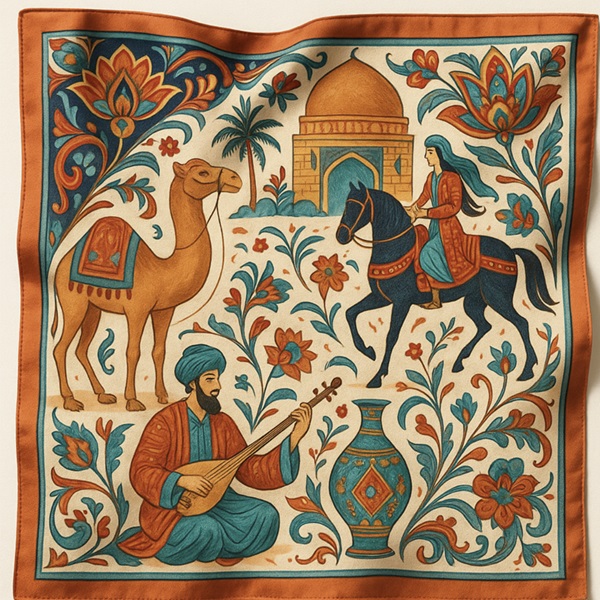
The textile printing industry thrives on innovation, and acid dye ink has become a key solution for achieving brilliance and long-lasting performance. Unlike standard pigment formulations, acid dye ink penetrates deeply into fibers, producing vibrant shades and smooth gradients that remain visually striking over time. Known for its exceptional affinity with protein-based fibers such as silk, wool, and nylon, acid dye ink provides designers and manufacturers with the ability to create intricate patterns and bold colors that retain their beauty even after repeated washing. As the global demand for premium textiles grows, acid dye ink continues to be valued for its ability to balance creativity with durability.
Print-Rite's Expertise in Advanced Inkjet Inks
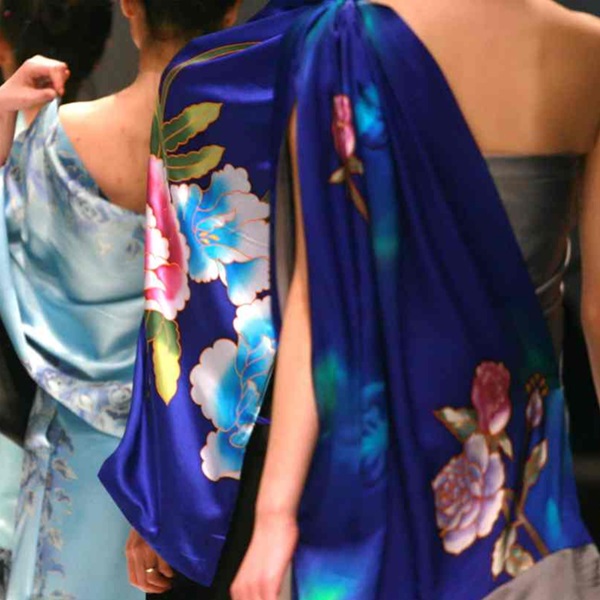
As a leading manufacturer of digital inkjet printing inks, Print-Rite has established a reputation for producing high-performance solutions across various industries. With decades of experience in sublimation, pigment, and UV formulations, the company has extended its portfolio to include acid dye ink, offering textile printers access to a specialized product that meets modern production needs. Manufactured in ISO-certified automated facilities, Print-Rite's inks are designed with consistency, sustainability, and reliability in mind. Its R&D capabilities ensure that each batch of acid dye ink delivers superior print quality, aligning with the company's mission of combining innovation with eco-friendly solutions.
Advantages of Acid Dye Ink in Modern Fabric Applications
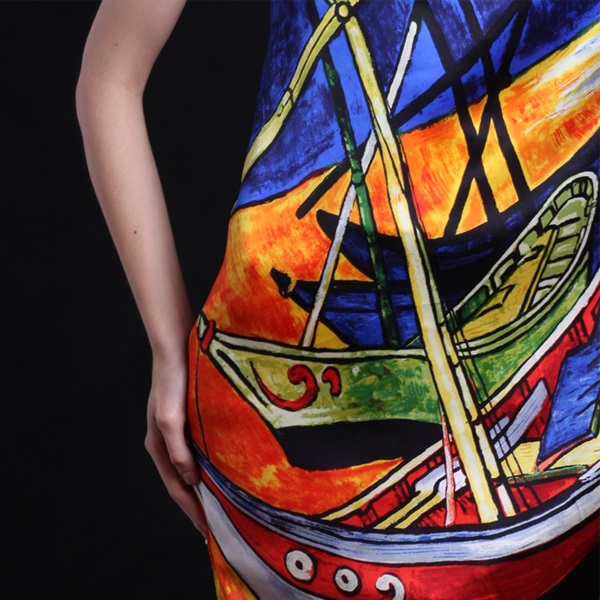
The use of acid dye ink offers several advantages in textile applications, making it a preferred choice for both luxury and functional garments. One of its primary benefits is the ability to achieve deep, saturated colors that maintain brightness even on fine fabrics. Acid dye ink also provides excellent wash resistance, ensuring garments remain fresh and vivid despite regular use. Moreover, its compatibility with delicate materials such as silk allows for the production of high-value apparel and accessories, giving designers the freedom to express creativity without compromising durability. These features make acid dye ink indispensable in industries ranging from fashion and home décor to specialty textiles.

Comparing Acid Dye Ink with Other Ink Types
To better understand the strengths of acid dye ink, it is useful to compare it with other commonly used textile printing inks. The following table highlights the differences:
Ink Type | Substrate Compatibility | Color Quality | Durability | Application Scope |
Acid Dye Ink | Silk, wool, nylon, other protein-based fibers | Deep, vibrant, smooth gradients | Excellent wash resistance | High-end textiles, fashion, specialty fabrics |
Pigment Ink | Cotton, polyester blends, various fabrics | Bold colors, slightly textured | Good durability | Everyday apparel, promotional textiles |
Dye-Sublimation Ink | Polyester fabrics | Vivid, sharp detail | Strong color fastness | Sportswear, signage, soft furnishings |
Reactive Dye Ink | Cotton and cellulosic fibers | Bright, reactive shades | Strong wash durability | Casual wear, linens, printed cotton goods |
This comparison shows that acid dye ink is particularly well-suited for luxury and specialty textiles where depth of color and softness of feel are priorities, while other ink types may serve broader or more cost-sensitive markets.
The Growing Demand for Acid Dye Ink in Textile Printing
As consumer preferences shift toward personalized, premium-quality garments, the role of acid dye ink is becoming increasingly important. Fashion houses, textile manufacturers, and designers are seeking reliable ink formulations that allow them to innovate without compromising quality. With its superior vibrancy, excellent fiber affinity, and strong durability, acid dye ink is positioned as a key driver of growth in the textile printing market. Companies like Print-Rite, with their strong production capacity and R&D focus, are ensuring that acid dye ink continues to evolve in line with industry needs, offering sustainable and high-performance solutions for the next generation of textile applications.